Store builds & rebuilds
Product pages, catalogue navigation and an editing workflow your team can use. Design, content entry and migration responsibilities are agreed before the build.
WOOCOMMERCE DEVELOPMENT · UK & EUROPE
Built around the way you sell.
Build a new store or improve the one you have. Custom checkout, pricing and integrations that fit how you sell, with direct access to the developer doing the work.
Istanbul-based · UK working-day overlap
Available for suitable projects worldwide.
YOUR STORE, CONNECTED
The connections matter as much as the storefront.
THE WORK
WooCommerce development covers store builds, rebuilds and changes to checkout, product pricing and connected systems. The existing setup is reviewed before choosing configuration, a supported extension or custom code.
Product pages, catalogue navigation and an editing workflow your team can use. Design, content entry and migration responsibilities are agreed before the build.
Fields, validation and payment behaviour built around your buying process. Compatibility is checked against your actual checkout, gateways and extensions.
Customer-specific prices, quantity rules, quotes and approval steps. Your team defines the trading rules; I turn them into a testable store workflow.
Move agreed order, customer or inventory data between systems. Define the source of truth, sync schedule and what happens when a request fails.
Extend renewal, cancellation and fulfilment workflows within the capabilities of your providers. Make exceptions visible to the people who need to resolve them.
Plan products, customers, orders, URLs and custom functionality together. Rehearse the move and agree how new orders are handled during cutover.
SELECTED WORK
A public WooCommerce product and a storefront example. Explore what was built, then share the part of your store that needs similar attention.
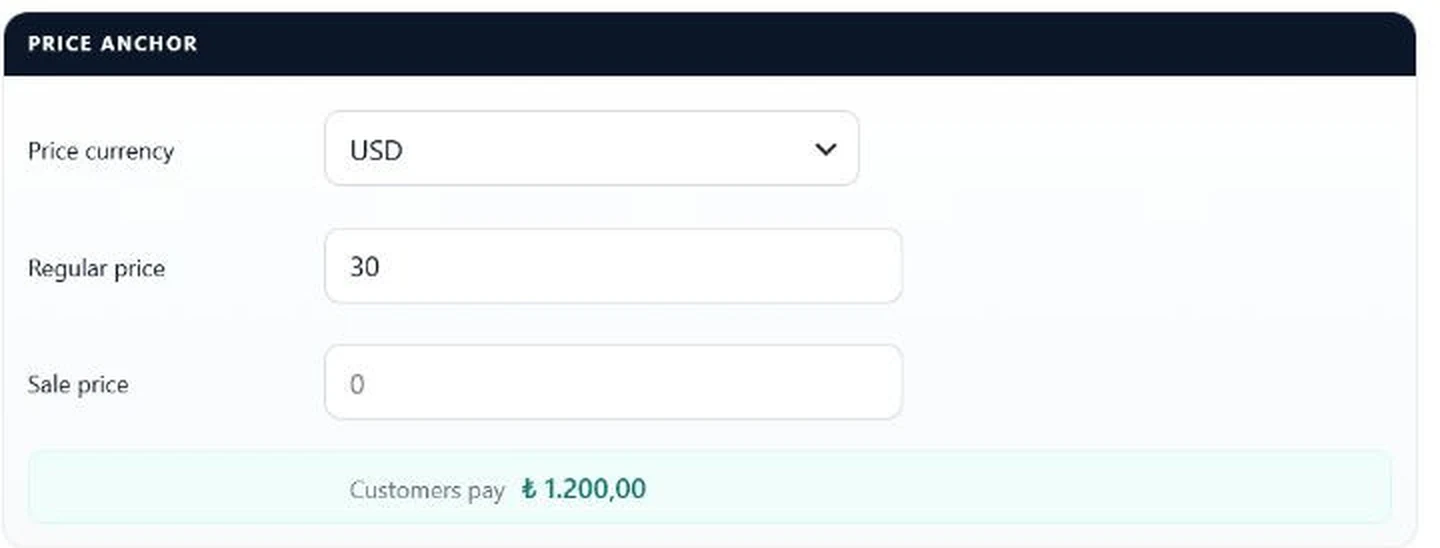
WOOCOMMERCE PLUGIN
Source-currency product pricing with documented rates, rounding, order records and recovery behaviour.
Read the product documentation ↗WOOCOMMERCE STOREFRONT
A single-product storefront built around product education, brand presentation and the route to purchase.
Explore the storefront ↗HOW DELIVERY WORKS
You work directly with the developer. Scope, acceptance checks and handover are written down so both sides know what completion means.
Map the current stack, business rules, connected systems and the change you need. Identify dependencies before quoting.
Confirm deliverables, exclusions, GBP cost, milestones and test cases. Additional requests are agreed separately.
Review the work on staging. Check relevant checkout, payment, order and email paths, including failure cases.
Agree backups, cutover and recovery steps. Receive code, configuration notes and the defined support period.
SCOPE & COST
Share your store URL, the change you need, your budget range and any deadline. I will review the requirements before proposing a fixed scope.
Request a WooCommerce quote ↗Templates, catalogue size, migration volume, checkout rules, connected systems and the testing required. A focused improvement and a full store rebuild need different scopes.
The proposal lists development, testing, launch, handover and initial support. Design, content, hosting, paid extensions, payment fees and recurring care are identified separately.
Focused improvements often take 2–4 weeks; larger builds or integrations can take 4–8 weeks or more. Access, content, API dependencies and approvals affect the agreed schedule.
START WITH THE RIGHT SERVICE
Investigate product pages, checkout and database bottlenecks before choosing performance fixes.
Staged updates, checkout checks, monitoring and a recovery plan for an existing live store.
Technical SEO, useful commercial content and AI search visibility tied to enquiry measurement.
After reviewing your store and requirements, I provide a fixed proposal in GBP. The main cost factors are design and templates, catalogue or order migration, checkout rules, integrations and testing. Share a budget range so I can recommend a realistic scope. Hosting, domains, payment fees, paid extensions and ongoing support are separate unless the proposal includes them.
Yes. The first step is to identify the problem and review the current theme, plugins, checkout and hosting. A configuration change or a supported extension may be enough. Custom development is recommended when there is a clear requirement the existing setup cannot meet reliably.
I am based in Istanbul and work remotely with UK and European businesses. Communication is in English, with meetings and release windows agreed around UK working hours. Suitable projects from other countries are welcome.
Yes, subject to the capabilities of your checkout and payment provider. I check whether the store uses block or classic checkout and which extensions need to work together. The scope can include fields, validation, payment eligibility and order handling. Successful, declined and interrupted payment paths are included where relevant to the change.
Yes, where the other system provides suitable API access. We agree which system owns each field, what data moves, how often it updates and how failures or duplicate requests are handled. Access requirements, third-party fees and limits are established before committing to the integration.
Yes. Customer-specific pricing, bulk ordering, quotes and approval steps can be scoped around your trading rules. Subscription changes depend on the subscription extension and payment provider. Renewal, cancellation and failed-payment behaviour must be agreed and tested for the supported setup.
The migration plan covers products, customers, orders, important URLs and metadata. A rehearsal, relevant redirects, backups and a cutover window are agreed before launch. New orders placed during the transition need an explicit handling plan. Post-launch checks reduce risk but cannot guarantee unchanged search rankings or uninterrupted service.
Focused improvements are often scoped for 2–4 weeks; larger store builds or integrations can take 4–8 weeks or more. These are indicative ranges. The proposal confirms milestones after access, content, design, API dependencies and testing requirements are reviewed.
Handover includes the agreed code, configuration notes, dependencies and operating instructions. The proposal defines the initial support period and ownership terms. Custom code still needs compatibility checks as WordPress, WooCommerce and connected services change. Ongoing store care is available separately.
Choose development for a new store or a defined change to how it works. Choose a performance review when slow product pages, checkout or database load are the main problem. Choose WooCommerce Care for recurring updates, monitoring and recovery planning. If you are unsure, describe the problem and I will help scope the appropriate starting point.
YOUR NEXT STEP
A store URL and a short explanation are enough to start. Include what should happen, what happens now and any deadline.