WORDPRESS THEME DEVELOPMENT

Custom WordPress Theme Development
for designs that deserve their own codebase.

without turning the design into a page-builder stack.

Custom WordPress themes engineered from approved Figma files, established design systems or existing front ends. The result is a responsive, editor-friendly theme with clear ownership, deliberate dependencies and code another capable developer can inherit.

Focused custom theme projects typically fall between $4,000 and $8,000. The fixed proposal follows a design and template review; UK clients can receive it in GBP.

Design inputFigma or defined design system
DeliveryFixed scope before build
BuildStaging-first development
HandoverCode + documentation

Have an approved Figma file? Send the brief →

DESIGN TO PRODUCTION
01

IN ONE SENTENCE

What is custom WordPress theme development?

Custom WordPress theme development is the process of engineering the presentation layer of a WordPress site around an approved design, content structure and editing workflow instead of adapting a shared marketplace theme or page-builder template.

The theme can define templates, template parts, global styles, responsive behaviour, editor patterns and the visual rules that connect the brand to WordPress.

Maksut develops custom WordPress themes from approved Figma files, established design systems and existing interfaces. Each project is scoped around the templates, components, responsive states and editorial controls required for production.

If your project still needs website strategy, content architecture or a complete rebuild planned from the ground up, start with Custom WordPress Development.

  • theme.jsonWhere appropriate
  • WordPress standardsClear conventions
  • Git-backed deliveryVersion-controlled builds
  • Documented handoverYour team can operate it

WORDPRESS THEME DEVELOPMENT SERVICES

A theme built around the design—not around a marketplace template.

This service focuses on the WordPress presentation layer. The exact architecture depends on the design, content model, editor requirements and existing site constraints.

01

Custom Themes From Scratch

Purpose-built WordPress themes for brands and teams that need their own templates, responsive system and editorial experience without inheriting a multipurpose theme.

  • Custom templates
  • Responsive system
  • Semantic HTML
  • Design ownership

02

Figma to WordPress

Turn an approved Figma design or documented design system into a production WordPress theme while preserving visual hierarchy, responsive intent and reusable component logic.

  • Figma handoff
  • Design tokens
  • Responsive states
  • Component mapping

03

Theme Rebuild & Modernization

Replace a legacy theme, fragile child-theme stack or page-builder-heavy presentation layer while preserving the content, URLs and functionality that should remain independent of the theme.

  • Legacy theme
  • Builder removal
  • Theme migration
  • Maintainability

04

Gutenberg & Block Theme Systems

Use native WordPress editing tools where they fit the project: theme.json, templates, template parts, patterns and block styles—without turning every page into an unrestricted visual canvas.

  • Gutenberg
  • Block Themes
  • theme.json
  • Patterns

DESIGN → PRODUCTION

Figma to WordPress without treating Figma as production code.

A Figma file describes the design. It does not define the WordPress architecture. Before development, the design is translated into templates, components, editor controls, responsive behaviour and content boundaries.

01

DESIGN AUDIT

Components, variants, typography, spacing, color tokens, breakpoints, interactive and missing states.

02

COMPONENT MAPPING

Which design elements become theme styles, core block styles, patterns, template parts or reusable components.

03

EDITOR BOUNDARIES

What editors can change, what stays structurally controlled, and which design rules must remain consistent.

04

PRODUCTION QA

Responsive behaviour, browsers, keyboard interaction, content overflow, performance and accessibility.

SELECTED THEME WORK

Real projects, the theme decisions behind them.

Public work where the presentation layer was engineered around an approved interface rather than adapted from a marketplace theme.

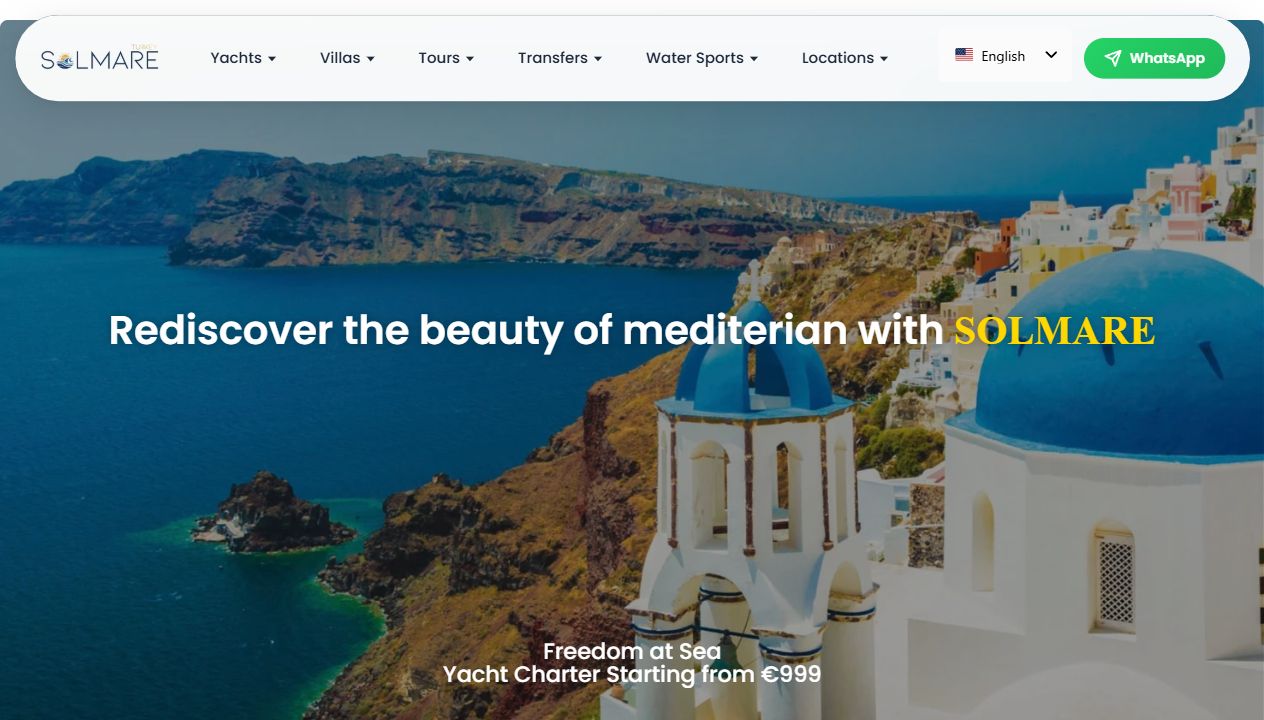
Solmare Turkey luxury travel platform interface.
SOLMARE TURKEY · DESIGN-LED THEME

01 / SOLMARE TURKEY

Luxury travel platform covering villas, yachts, tours and transfers.

Input
An interface and visual system designed from zero, with no existing theme to adapt.
Theme decision
A custom presentation layer with structured templates and reusable components, built directly around the approved interface rather than a page-builder stack.
Outcome
A theme layer the editorial team can operate without fighting a visual builder, with booking and dynamic-content templates that stayed consistent across the site.
Notes
Outcome described qualitatively based on the architecture delivered; no ranking, traffic or performance figure claimed.

MORE SELECTED WORK

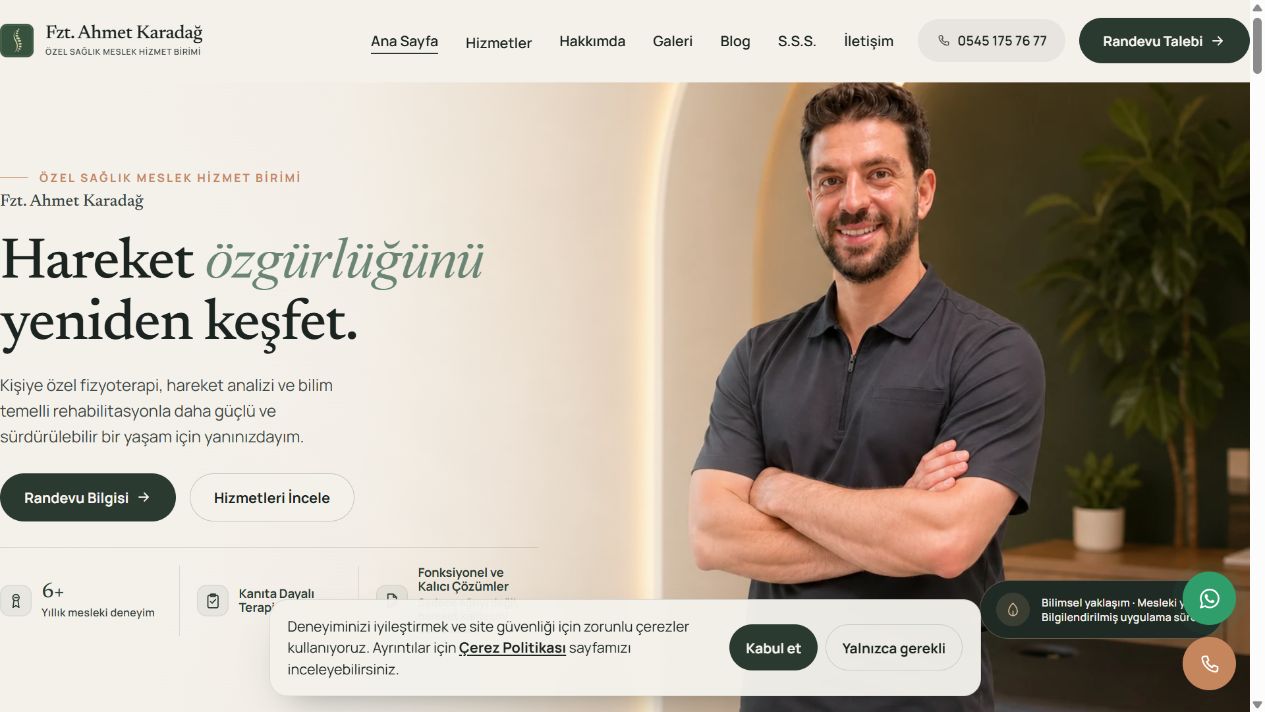
Fzt. Ahmet Karadağ physiotherapy practice website with service navigation and rehabilitation content.
02
WORDPRESS

Fzt. Ahmet Karadağ

Custom theme built around a specialist content model and structured service content for a physiotherapy practice.

CUSTOM THEMECONTENT MODEL
Visit site
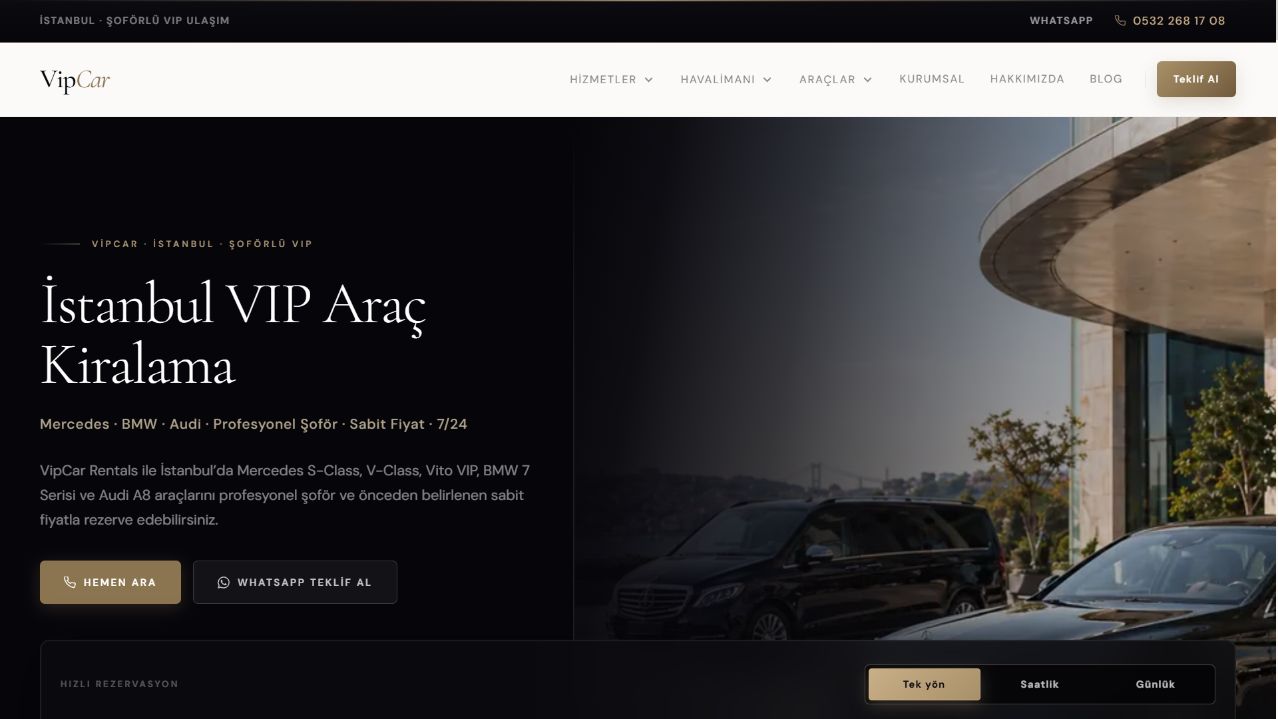
VIPCar Rentals homepage showing Istanbul chauffeur services, vehicle navigation and booking flow.
03
WORDPRESS

VIPCar Rentals

Theme layer rebuilt around transactional service pages after a page-builder-heavy presentation layer became the bottleneck.

THEME REBUILDBUILDER REMOVAL
Visit site
Explore more systems and resultsSee additional case studies across transport, travel and health.
View all projects

ARCHITECTURE FOLLOWS THE PROJECT

Block theme, classic theme or hybrid—the decision should have a reason.

WordPress currently supports both block themes and classic themes. Neither is automatically obsolete or automatically superior.

01

BLOCK THEME

Best when Site Editor control is useful, native block templates make sense, theme.json can carry the design system, and editor flexibility is part of the requirement.

02

CLASSIC THEME

Best when PHP template control is preferable, existing architecture depends on classic hooks/templates, or stricter presentation boundaries are the cleaner option.

03

HYBRID / DELIBERATE MIX

Best when native blocks and patterns improve editing, but the complete Site Editor model is not required.

The architecture is chosen around ownership, editing requirements and maintainability—not because one WordPress feature is fashionable.

CLEAR OWNERSHIP

A theme should not become the place where the whole business lives.

THEME OWNS
Presentation·Templates·Responsive layout·Typography·Design patterns

Visual presentation and the editing experience around it.

PLUGIN / APPLICATION LAYER OWNS
Business rules·Critical data·CRM sync·Payment logic·Proprietary workflows

Functionality that must survive a theme change.

If changing the site's visual theme should not remove a feature, that feature probably does not belong inside the theme. Explore Custom Plugin Development →

WHY CUSTOM

Custom should remove constraints—not replace them with new ones.

01

Design fidelity

The implementation follows the actual visual system instead of forcing the design through another theme's layout assumptions.

02

Editorial control

Editors get defined ways to publish content without having to recreate the design on every page.

03

Performance control

The theme loads the templates, styles and scripts a page actually needs instead of inheriting a whole multipurpose feature set.

04

Portability

The code, templates and content remain understandable outside a proprietary visual-builder workflow.

PRODUCTION STANDARD

The theme has to work after the design review is over.

PERFORMANCE

Deliberate asset loading, responsive images, reduced unnecessary scripts, no builder runtime by default, and Core Web Vitals reviewed per project.

No guaranteed score—reviewed, not promised.

SEARCH FOUNDATION

Semantic HTML, heading structure, crawlable templates, archive/template consistency and schema-compatible markup.

Ongoing SEO strategy lives on the SEO & AI Search service.

ACCESSIBILITY

Semantic landmarks, keyboard navigation, focus states, meaningful control labels and reduced-motion consideration.

Accessibility-minded build, not a certification claim.

GOOD FIT

When a custom theme is the right-sized project.

A good fit already has the visual work approved, or defined enough that engineering it is the remaining problem.

01

You already have a Figma design

The visual work is approved and you need it engineered into an editable, responsive WordPress theme.

02

Your brand has a design system

You need WordPress templates and editorial components that implement an existing visual system consistently.

03

Your current theme is the bottleneck

The content is valuable, but the theme or page-builder layer has become difficult to maintain, extend or control.

04

Your editors need structure

The team needs reusable publishing tools without rebuilding page layouts every time content changes.

PROBABLY NOT A FIT

This service is probably too large if you only need a marketplace theme installed, an Elementor section restyled, a header colour changed, a child theme created for one CSS override, or a ThemeForest demo imported. If the project still needs full website strategy, content architecture and the complete WordPress system designed, start with Custom WordPress Development.

HOW IT WORKS

From design handoff to a theme your team can operate.

  1. 01

    DESIGN AUDIT

    Review the Figma file or design system: components, breakpoints, missing states and assets.

    BUILD SPEC
  2. 02

    THEME ARCHITECTURE

    Map templates, theme.json/global styles, template parts, patterns and editor controls.

    THEME PLAN
  3. 03

    BUILD & QA

    Responsive implementation on staging, checked across browsers, devices and editing scenarios.

    VERIFIED STAGING BUILD
  4. 04

    HANDOVER

    Repository, theme documentation, editor guidance and architecture notes.

    A THEME YOUR TEAM CAN OPERATE
WHAT YOU LEAVE WITH

A theme repository, documentation, editor guidance and architecture notes your team can actually use.

Start with your brief →

TECHNICAL FOUNDATION

The exact implementation changes with the project. The ownership rules do not.

PRESENTATIONSemantic HTML · Modern CSS · Responsive UI
WORDPRESSTemplate hierarchy · theme.json where appropriate · Patterns / block styles
INTERACTIONVanilla JavaScript where sufficient · Progressive enhancement
DELIVERYGit · Staging · QA · Documentation

Dependencies are added because a problem justifies them—not by default. ACF, page builders and third-party tooling are integrated deliberately when a project already depends on them.

INVESTMENT & TIMELINE

The design defines the starting point. The scope defines the price.

Pricing depends on the number of unique templates, component complexity, responsive states, design completeness, editor requirements and legacy-theme removal. Discovery turns that into a written scope before development begins.

INCLUDED

Design audit, theme architecture, development, QA, launch support and handover documentation.

PLANNED BEFORE KICKOFF

Template inventory, responsive states, editor requirements, legacy-theme constraints and dependencies.

TIMELINE

Timeline is confirmed after the design and template inventory are reviewed. Focused theme builds are scoped separately from complete website projects.

Discuss your theme build

Need the complete website strategy, not just the theme layer? See Custom WordPress Development →

Common questions about custom WordPress theme development

A custom theme is engineered around a specific design, template system and editing workflow rather than adapting a shared marketplace theme. It controls the presentation layer of WordPress while functionality that should survive a theme change remains outside the theme.

Yes. An approved Figma file can be translated into a custom WordPress theme. The process includes reviewing components, responsive states and missing interactions, then mapping the design to templates, patterns, editor controls and the appropriate WordPress architecture.

Yes, when a block-theme architecture suits the project. WordPress also supports classic themes, so the choice is based on editorial control, compatibility and maintainability rather than forcing every project into the same architecture.

New custom themes normally avoid making a visual page builder responsible for the entire presentation layer. If an existing project genuinely depends on a builder, that dependency is reviewed before deciding whether to preserve, reduce or replace it.

Often, yes. A theme rebuild can preserve content, URLs and functionality that are already correctly separated from presentation. If the project also requires major content architecture or migration work, the broader Custom WordPress Development service may be the better scope.

Native blocks, patterns, block styles and theme controls are used where they solve the publishing requirement cleanly. If a project requires custom application functionality or reusable business logic, that work may belong in a dedicated plugin instead of the theme.

Yes. A custom theme can control the visual presentation of product, catalogue and store templates. Custom pricing, checkout, payment, subscription or order logic belongs in WooCommerce Engineering rather than the theme layer.

That is part of the delivery goal. Theme structure, version control, WordPress conventions and documentation should allow another capable developer to understand the project without reverse-engineering an opaque builder configuration.

Focused custom WordPress theme projects typically cost $4,000–$8,000. The exact quote depends on the number of templates, component complexity, responsive states, editor requirements and the condition of any existing theme. The design is reviewed first and the build is defined in a written scope before development starts. UK clients can receive the fixed proposal in GBP; US clients can receive it in USD.

The timeline is set after the design, templates, responsive states and technical constraints are reviewed. A completed Figma file is more predictable to scope than a design that is still changing during development.

NEXT STEP

Have a design ready for WordPress?

Send the Figma file, design system or current site and explain what needs to become editable in WordPress. I'll review the theme scope and tell you whether this is a focused theme build or whether the project belongs in the broader WordPress service.

Fixed scope after review · direct with the developer

Need functionality that must survive a theme change? Explore Plugin Development →

03What are you building?

I reply personally within 24 hours. No sales team.

Message sent.

I'll read this carefully and get back to you within 24 hours with a direct, considered response.